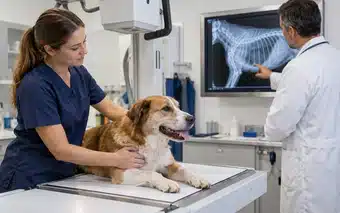
Prior eye history
What to verify clinically
Earlier redness, prolapse, treatment or recorded signs
What to verify in the policy
Whether earlier facts meet the pre-existing-condition definition

For cherry eye, name the exact eye condition and exact procedure before asking the policy to answer the coverage question.
Use these checkpoints to frame the literal question before reading the full guide.
Pet insurance may cover surgery for cherry eye when the condition and procedure meet the policy terms and are not excluded as pre-existing. Prior eye history, procedure type and bilateral wording can change the analysis.
The sections below show how to verify the answer and what can change it.
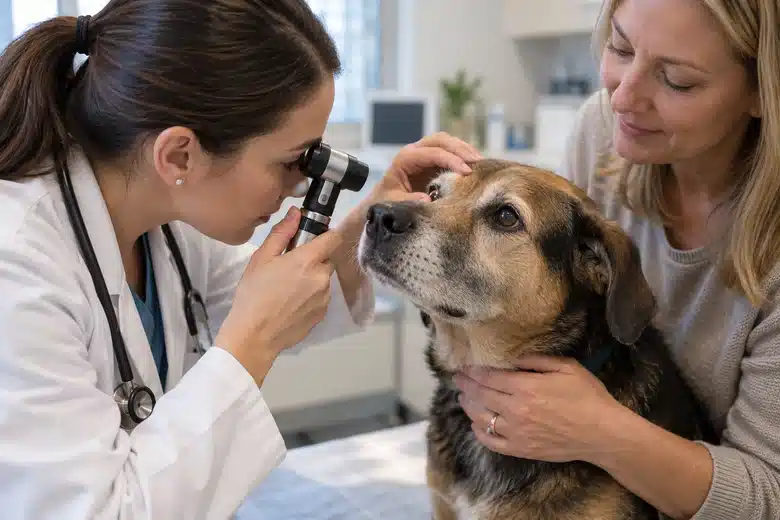
Cherry eye refers to prolapse of the gland of the third eyelid; it is not the same diagnosis as entropion. The claim file should use the veterinarian’s actual diagnosis and procedure wording rather than a generic “eye surgery” label.
| Item | What to verify clinically | What to verify in the policy |
|---|---|---|
| Prior eye history | Earlier redness, prolapse, treatment or recorded signs | Whether earlier facts meet the pre-existing-condition definition |
| Gland repair/reposition | Exact procedure performed or planned | Whether surgery for an eligible condition is a covered expense |
| Gland removal | Whether removal rather than reposition is documented | Whether the actual procedure and related expense are eligible |
| Bilateral disease | One eye or both; date of each event | How the contract treats related/bilateral conditions and timing |
| Medications/follow-up | Post-op drugs and rechecks | Whether these are separate eligible expense categories |
Entropion, corneal disease and cherry eye can involve the eye but are not interchangeable diagnoses. Keep the page and claim mapping on the recorded condition.
Keep policy terms, deductible, reimbursement and limits beside the quote so the comparison stays consistent.
If the dog or cat had eye signs before coverage, preserve those dated records. A later surgery date does not erase an earlier symptom history. If the first documented event occurred after coverage began, that fact is relevant too, but the insurer still applies the full contract.
If surgery is recommended for both eyes at different times, keep separate dates and operative plans. A bilateral condition can raise related-condition questions, but the page should not invent how a specific insurer treats the second eye. Present the documented sequence and apply only the contract language that addresses related or bilateral conditions.
Post-operative care can include medication, protective devices and rechecks. Those line items should not be assumed covered solely because the surgery itself is eligible. Map them individually to the policy’s eligible-expense language and retain the surgeon’s discharge instructions as clinical context.
No. They are different conditions; use the actual veterinary diagnosis and do not transfer policy conclusions from one to the other.
No. Prior signs, advice or treatment can matter under the policy definition.
Do not assume that. Record the actual procedure performed and evaluate that expense under the contract.
Keep the policy terms beside the price, then continue to rates when the comparison is clear.